You’re an up-and-coming leader. You have the expertise in the role. You know the business and you’re damn good at your job.
Situation: You want to make a good impression with your boss and show that you have the capability and drive to move to the next level. You can lead this team!
Problem: You’re consumed with doing your job. You know processes can be improved, but you have no time to think about the bigger picture and effectuate change.
This is an age-old problem.
Meaningful change usually requires effort beyond any one job title or role. This, however, is where opportunity exists. Those who can effect change beyond their job role will advance in the organization.
But it’s hard. And it takes concerted effort on your part to think differently, act differently, and seek guidance and support from others.
Ideally, you want to develop partnerships with people who control the processes that impact your product, service, or process. By developing relationships and partnerships with other functions, you will naturally identify ways to streamline processes and create efficiencies that benefit both sides of the business.
If you barge ahead without true collaboration with others, you will alienate your peers and show immaturity in your thought process. Good intentions coupled with coaching and guidance from your manager or coach is the most effective way to develop your skills to be a good leader and demonstrate the diligence and patience required to lead others.
Here are some do’s and don’ts to foster healthy working relationships across departments/functions to improve efficiency and foster a happy, healthy work environment.
Do This:
- Start by reflecting on what you can control. Think about the process controlled by you or your department, and what are the external factors (inputs/outputs) impacting your process or product.
- Look at trends. Identify what you should be measuring to improve outcomes.
- Be a leader within your own function first. What can you be doing better as a team.
- Identify where you can improve, and what are the factors beyond your control that impact your process or product.
- Develop a relationship with the individuals who control the other aspects of the business that impact your process.
- Forge a partnership with other departments or functions for mutual gain. Remember they have time constraints and priorities. Think about how you can positively impact them and their goals.
- Seek guidance from your manager by sharing your ideas on how your own team can improve and how you mean to engage other teams.
Don’t Do This:
- Don’t assume people are doing things wrong or need to do things better. Maybe that is true, but calling their baby ugly never works.
- Do not tell other teams what they are doing wrong or what they should be doing differently.
- Do not initiate a one-way diatribe about what you need and how they should be measuring their part of the business, even if you know.
- Don’t send long, rambling emails postulating your perspective about the business with no clear call to action or no co-accountability.
You have a stake in the solution. Own your part in it.
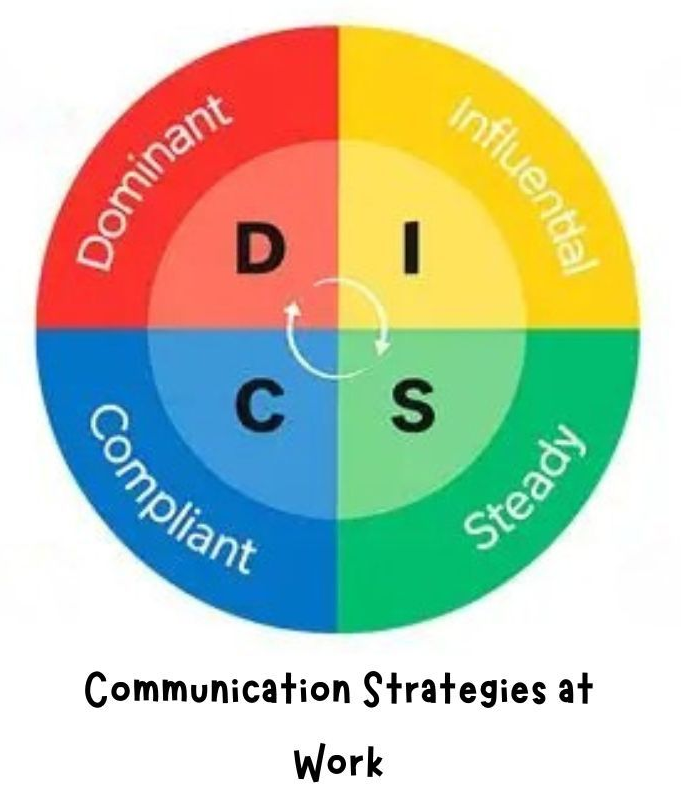
Expert communicators know how to get what they want. They identify common objectives, common goals, and ways to collaborate to improve the overall outcomes. They forge partnerships and relationships that pull resources together to solve issues that impact across the organization. They leverage their leaders and mentors to guide their approach. Learn from others!
It takes time and extra effort. You will need to work more hours to make this happen, but it’s worth it. By taking this approach, you can naturally become the leader of the team and be seen as a visionary and connector across the organization.
Without intending it, those who inadvertently throw one-way stones at others create resentment, anxiety, and negativity that serves to keep them at the lower levels of the organization.
Be a solution-oriented, creative thinker who fosters communication and engagement so solve problems.