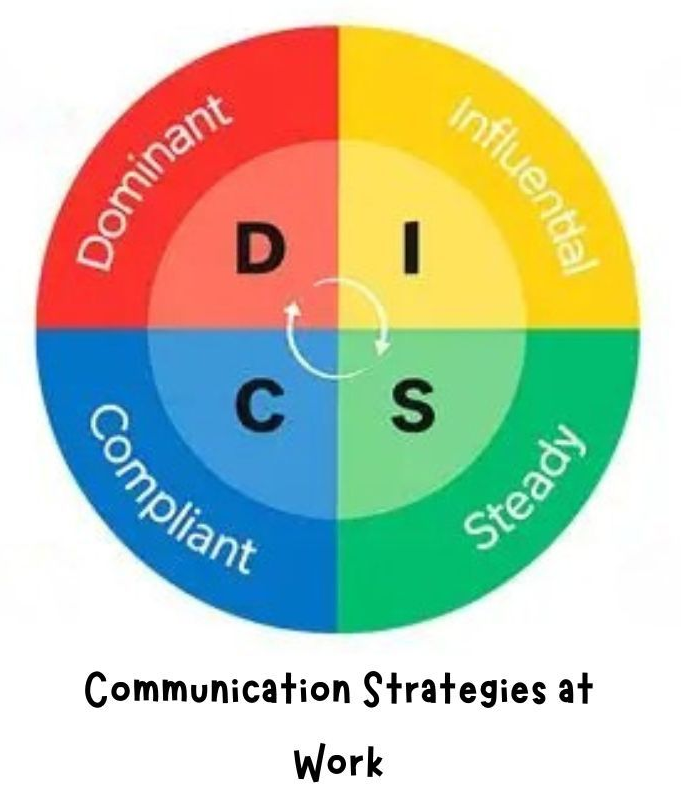
Most communication breakdowns inside (and frankly outside) organizations are labeled as
personality issues.
We’ve all been there. Working with someone who feels “difficult.”
We think:
- “They’re just difficult.”
- “That’s just how he communicates.”
- “Those two styles don’t work well together.”
The Uncomfortable Truth:
Most communication breakdowns are not personality problems. They are leadership failures.
Not failures of intent.
The failure comes from an inconsistent sense of
clarity, expectations, and reinforcement around how people are expected to communicate, behave, and engage with one another.
When communication expectations are vague or inconsistent, people default to:
- Their own style
- Their own assumptions
- Their own coping mechanisms, especially under pressure
When pressure increases; changes in leadership, deadlines, safety issues, growth, or conflict, those gaps become visible fast.
Instead of addressing leadership communication expectations, I’ve seen owners and managers:
- Label people as “hard to work with,” swallowing frustration until it eventually explodes
- Lower standards to keep the peace, quietly eroding trust across the rest of the team
- Rely on one or two “strong communicators” to carry the load, overburdening top performers
That’s not leadership discipline.
That’s organizational risk.
Reduce Risk with Clear Communication Expectations
The good news is this: communication expectations can be established.
Strong organizations don’t depend on personalities to make communication work. They build
leadership communication expectations that are clear, practiced, and reinforced.
That means leaders know:
- What clear and respectful communication looks like here
- How decisions are expected to be communicated
- How feedback should be delivered
- What changes when urgency goes up
When expectations aren’t explicit, communication becomes situational. When communication is situational, trust erodes quietly. And when trust erodes, culture follows.
This is why communication cannot be treated as a “soft skill” or a one-time training.
It must be treated as a
leadership discipline - one that evolves as roles, responsibility, and pressure increase.
Leadership communication standards reflect your core promise as a business. They are what create a healthy, productive workplace - and what ensure your legacy holds across generations.
Where might your organization be blaming personality for what is really a lack of leadership communication standards?