Most leaders don’t struggle with communication when things are calm.
They struggle when:
- Consequential decisions need to be made quickly
- Stakes are high
- Safety, deadlines, or customers are involved
- Emotions rise and time compresses
That’s when communication breaks down first.
Not because leaders don’t care – they care a lot!
Not because they lack experience – their experience compels them to jump in and take over.
It’s this pressure that damages lines of communication and triggers a fight or flight response in most people.
Pressure Doesn’t Create Problems — It Reveals Them
Under pressure, people don’t exhibit best intentions.
They default to their
natural tendencies.
- Some speed up.
- Some slow down.
- Some push for decisions.
- Some ask for more detail
- Some become direct.
- Some become cautious or quiet.
None of these responses are wrong.
The problem arises when leaders assume:
- Everyone processes urgency the same way
- “Clear” means the same thing to everyone
- Their message landed the way they intended
These assumptions are costly to the health of the organization, especially high-pressure environments that rely on people, trust, and expertise.
Why Intent Isn’t Enough
Most leadership communication relies heavily on intent, which, under pressure, is a one-way street.
- “I thought I was being clear.”
- “I didn’t mean it that way.”
- “They should have spoken up.”
Intent matters.
But intent does not guarantee impact if the message didn’t land with your people.
Under pressure, leaders need to do the following:
- Observe how your people are responding to the situation
- Adapt your communication to meet them where they are
- Repeat your engagement approach to create a consistent set of expectations
Intent alone doesn’t yield the best outcomes when urgency increases.
Leadership is a communication discipline not only during times of pressure, but every day with your people to establish a strong foundation of trust.
Behavior-Based Frameworks Can Help
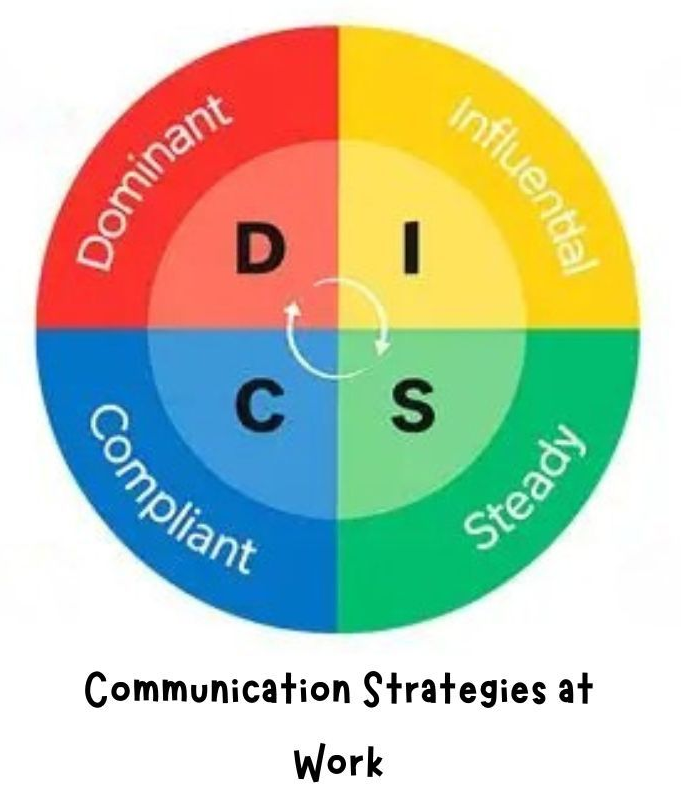
Behavior-based frameworks like DISC create a shared understanding of communication. It allows leaders and managers across the organization to understand themselves, their impact on others, and how others respond under pressure.
Not because they label personality.
But because they:
- Focus on
observable behavior
- Create
shared, non-emotional language
- Help leaders recognize how urgency, pace, and detail land differently
- Provide a way to
adapt communication in real time without lowering standards
When leaders understand how they communicate under pressure, and how others receive information when pressure is high, they can adjust without hesitation or frustration.
That shift is subtle, but powerful.
It’s the difference between:
- Repeating a message louder
- And delivering it in a way that actually lands
Pressure Is Where Leadership Is Proven
Organizations don’t lose trust in calm moments.
They lose it when:
- Messages change depending on who’s in the room
- Decisions feel rushed or endlessly delayed
- Expectations aren’t clarified when stakes are high
Pressure is not the enemy.
Unexamined behavior under pressure is.
Leaders who treat communication as a discipline don’t wait for pressure to pass.
They prepare for it.
They establish shared expectations for how communication shifts when urgency rises, and they practice those behaviors before they’re needed.
Communication That Holds Under Pressure
When communication standards are clear:
- Decisions move faster without sacrificing alignment
- Safety conversations are consistent
- Feedback is delivered without escalation or avoidance
- Trust holds, even when pressure is high
That’s not personality alignment.
That’s leadership discipline.
I focus on helping teams build communication as a leadership discipline, one that holds when pressure increases, not just when conditions are ideal.
This is the second article in a series exploring what it takes to build communication that endures.
Next: how misalignment quietly erodes culture long before leaders realize there’s a problem.