You don’t need to become rigid, intense, or “all business” to be effective as a manager.
That belief keeps a lot of
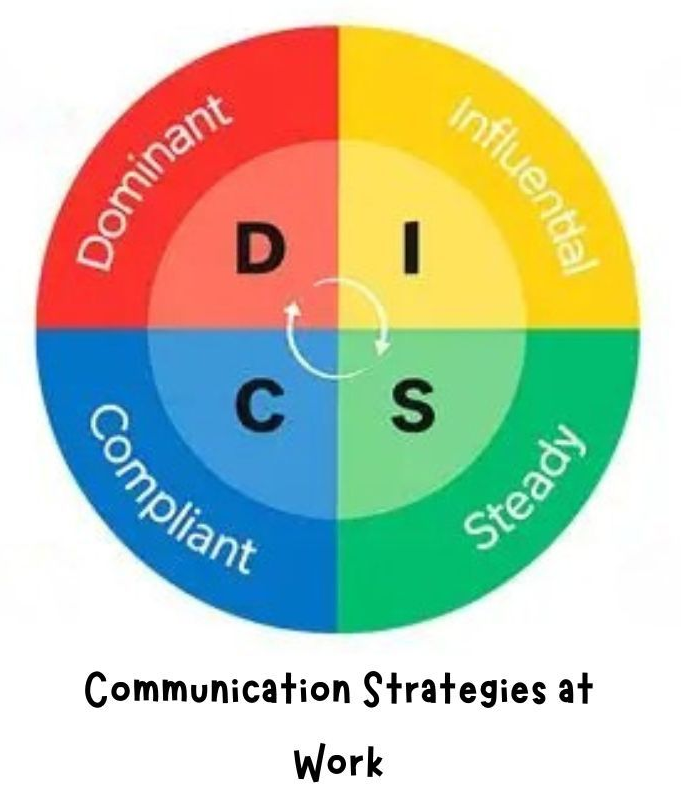
High I (Influencing)
leaders from fully stepping into their authority, especially those who lead with enthusiasm, connection, optimism, and social energy.
If you’re a
High I
leader stepping into management, your greatest edge is probably the same thing that got you promoted: people want to follow you. You bring energy, encouragement, and the ability to create buy-in.
But your biggest risk is also predictable: you’ll try to lead the way you succeeded as an individual contributor; by being inspiring, relational, and jumping from idea to idea… while assuming the details will “work themselves out.”
The transition from teammate to manager isn’t about becoming someone else.
It’s about adding structure, follow-through, and accountability to your natural influence.
The real shift: from “motivator” to “momentum + follow-through leader”
When you were on the floor doing the work, your communication might have sounded like:
- “Let’s go! This is going to be great.”
- “I’ll rally everyone and we’ll figure it out.”
- “We’ll make it work somehow.”
- “Don’t worry, we’ll pull it off.”
As a manager, your communication needs to sound more like:
- “Here’s the outcome we’re going for—and here’s the plan to get there.”
- “Here are the top two priorities this week, and what we’re saying no to.”
- “Who owns what—and what does ‘done’ look like?”
- “Let’s agree on the deadline and the checkpoint.”
Your new job is not to be the hype person.
It’s to build a team that can execute consistently without needing your energy to carry the whole system.
The 3 Traps High I Leaders Should Avoid (and what works instead)
Trap #1:
Being so positive that expectations stay vague
High I
leaders are great at encouraging people. But sometimes the desire to stay upbeat turns into soft boundaries, unclear standards, or missing details.
Solution: Be energizing and specific
Sample Script:
“Team, I’m excited about where we’re going with this. Here’s what success looks like: A, B, and C. The deadline is Friday at 2:00, and we’ll do a 10-minute check-in Wednesday to confirm we’re on track. What questions do you have before we start?”
Trap #2:
Over-talking, under-tracking (great meetings… weak follow-through)
High I
managers often love brainstorming and creating buy-in. The risk is leaving conversations with high enthusiasm but low clarity; no owner, no next step, no timeline.
Solution: Close the loop every time
Sample Script:
“Before we wrap up, let’s lock this in. Who owns the next step? What’s the due date? And what’s the first checkpoint so we don’t lose momentum?”
(If you want a simple rule: every conversation ends with Owner + Deadline + Next Check-in.)
Trap #3:
Avoiding hard feedback because you don’t want to damage the relationship
High I
leaders care about harmony and being liked. So they may delay feedback, hoping “it’ll work out,” until the issue becomes bigger and the conversation becomes heavier.
Solution: Give quick, relational micro-feedback (early and often)
Sample Scripts:
Positive/Affirming:
“Can I give you quick feedback? Your attitude in that customer issue kept the team steady and upbeat. It helped everyone stay focused and it protected the relationship. Keep doing that.”
Constructive/Redirecting:
“Can I give you quick feedback? We missed the deadline again. I know your intentions are solid and we need stronger follow-through. What got in the way, and what’s your plan so this doesn’t repeat next time?”
The 5 communication moves that make you effective
(without changing your personality)
1) Lead with purpose, but land with precision
Your strength is inspiration. Make it real by adding specifics.
- “Here’s why this matters.”
- “Here’s what ‘great’ looks like.”
- “Here’s how we’ll measure it.”
2) Trade “more ideas” for “the critical few”
High I
leaders can overwhelm the team with too many options.
Sample Script:
“We have a lot of good ideas. For this week, we’re committing to these two. Everything else goes in the parking lot so we don’t dilute execution.”
3) Use connection as a tool for accountability
Your relational strength makes accountability easier if you connect it to impact.
Sample Script:
“I’m holding you to this because I believe in you—and because the team is counting on us to deliver.”
4) Replace “checking in socially” with “checking in strategically”
You can still be warm, but your 1:1s need a simple structure.
A 15–20 minute weekly 1:1 agenda:
- Quick personal check-in (2 minutes)
- Top priority this week
- What’s blocking you?
- What do you need from me?
- One piece of feedback (positive or redirecting)
5) Be the “energy thermostat,” not the “energy source”
Your team shouldn’t only function when you’re present and upbeat.
The leadership move: build repeatable rhythms:
- clear priorities
- owners + deadlines
- quick checkpoints
- consistent follow-up
That’s what turns motivation into momentum.
Bottom line
High I
leaders don’t need to become cold, rigid, or overly intense to lead well.
Your influence is a superpower.
Your next level is adding the management muscle that turns energy into outcomes:
Clarity. Consistency. Follow-through. Accountability.
You’ll still be you, just with a stronger backbone.