You don’t need to become intense, flashy, or domineering to be effective as a manager.
That belief keeps a lot of steady, people-centered leaders from fully stepping into their authority - especially
high S leaders who prefer harmony, consistency, and teamwork.
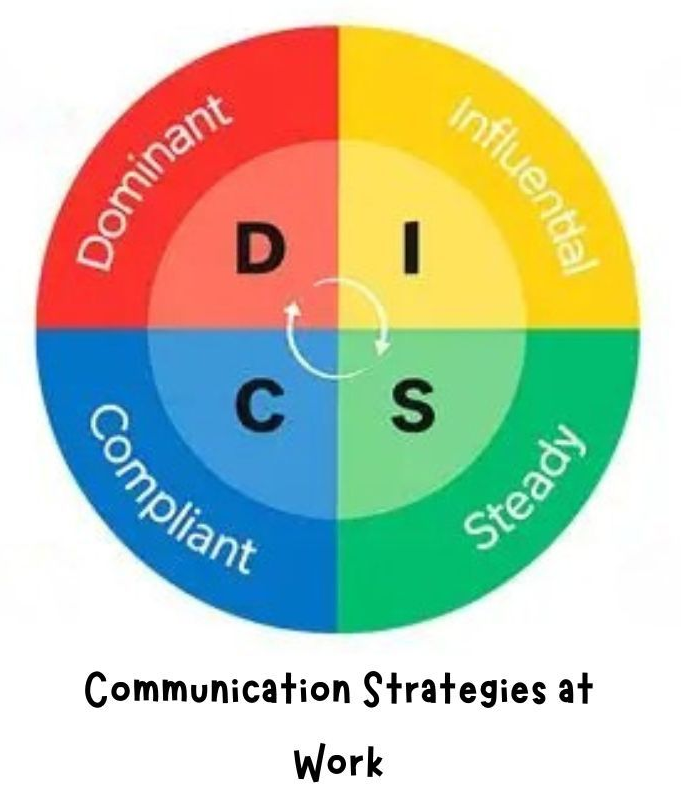
If you’re a
high S (Steady) leader stepping into management, your greatest edge is likely the same thing that got you promoted: you’re reliable, calm under pressure, and you genuinely care. But your biggest risk is also predictable: you’ll try to lead the way you succeeded as an individual contributor; by being helpful, accommodating, and quietly fixing things.
The transition from teammate to manager isn’t about becoming someone else. It’s about
owning your true value by adding clarity and accountability to your natural steadiness.
The real shift: from “helpful peer” to “clarity creator”
When you were in the shop doing the work, your communication and thought process probably sounded like:
- “I got it.”
- “No worries, I’ll handle it.”
- “I’ll just fix it, so it’s done right.”
- “I’ll stay late to make sure it gets done right.”
As a manager, your communication needs to sound more like:
- “Here’s the outcome we’re going for – this is what success looks like.”
- “I understand this may feel like a pressing issue for you, but here’s what matters most this week.”
- “Let’s make sure everyone is clear on who owns what and by when.”
- “How can I support you?”
Your new job is not to be the hero. It’s to
build a team that can win without you rescuing them.
The 3 Traps Steady Leaders Should Avoid, and Solutions that Work
Trap #1:
Softening messages, resulting in fuzzy expectations
High S leaders are often very humble and want to remain the nice guy. They often aim to be kind, then accidentally become unclear and weak. Being kind means telling people what needs to be done in a clear manner so they, too, can be successful.
Solution: Be warm and clear
Sample Script:
“Here’s what ‘great’ looks like for this project, and here’s the deadline. I’m being specific because I care about your success and the outcomes for our customers. What questions can I answer for you to ensure we’re on the same page?”
Note: If they don’t have questions now, be sure to check in with them later for any blockers or questions that come up.
Trap #2:
Doing the work to keep the peace
Because you’ve done this job, you can jump in fast - people know this and will take advantage. When you jump in to rescue, it teaches the team to abdicate their responsibility and rely on you instead of owning outcomes. You create a forever loop that will eventually bog you down, creates distrust within the team, and will have negative impacts on your health through increased stress.
Solution: Coach ownership and critical thinking, instead of jumping in and rescuing
Sample Script:
“I have confidence that you can do the work. What do you think the next step should be? My goal is to help you build the critical thinking muscle so you can advance your knowledge and someday lead the team. I’m here to help, but I’m not here to do the work for you.”
Trap #3:
Avoiding hard feedback until it becomes a big issue
High S leaders often wait, hoping the situation improves. Then the conversation gets heavier than it needed to be, and everyone on the team notices. This impacts morale, and also creates a sense of distrust because of inconsistent expectations.
Solution: Give micro-feedback (good and constructive) early and often
Sample Script:
Positive/Affirming: “Can I give you some quick feedback? When you jumped in and helped Joe manipulate the materials to speed up production, that saved us 25 minutes of work and got us out on time. Thank you for noticing what needed to be done and for taking action. It makes a big difference helping us meet the customer’s deadline and makes the team look good.”
Constructive/Redirecting: “Can I give you some quick feedback? This production run was late again. Let’s discuss what got in the way, and what’s your plan to prevent it next time? Our core promise to the customer is on-time delivery. What do you think you can do to minimize delays in the future?”
Note: Whether it’s an issue within production or workflows, or in the way the employee is generally acting, providing specific and timely feedback with clear expectations for the way things should be and why is essential to develop your people and to build your communication muscle as a strong leader.
The 5 communication moves that make you effective
(without changing your personality)
1) Start with the “why,” then the “what”
High S leaders are naturally sincere, and your staff want to feel that their work is contributing to the greater good for the company and customers. Use your sincerity and their innate drive to create alignment. Be the leader that connects the dots to the bigger promise the company is delivering.
- “Here’s why this matters.”
- “Here’s the impact of your actions, our process, or the company strategy.”
- “Here’s what you’re solving in the context of the longer term strategy.”
2) Protect trust with clear priorities
Steady teams thrive when priorities are stable. Ambiguity creates anxiety. You must be forthright about what the priorities are for the team, and resist the urge to do it for them if things need to shift. Address priority shifts head-on and with clarity.
Sample Script:
“This week, our top two priorities are A and B. If something new shows up, we’ll decide together what gets deprioritized.”
3) Replace “checking on” with “checking in”
Be caring and structured. When you spend your time to check in with the employee, you’re telling them they are important, and you get the benefit of insight into their current situation, priorities, and roadblocks. This gives you an opportunity to help them reprioritize, remove blockers, or redeploy resources to help them be successful.
A simple weekly 1:1 agenda (15–20 minutes):
- How are you, really?
- What’s your #1 priority this week?
- Where are you stuck, and what support do you need?
- What feedback do you have for me?
4) Make recognition specific and visible
High S leaders are often humble and shy away from recognition. They are quiet leaders who appreciate the one-on-one pat on the back. Teams, however, need recognition out loud and in public. Not everyone operates the way you do. Observe behaviors and adjust accordingly - a quiet, steady leader appreciates one-on-one feedback. An energetic and outgoing leader thrives on public recognition.
Try:
- “We pulled together to complete the project on time. Everyone went above and beyond, backing each other up and jumping in to make everything run smoothly. Your teamwork and leadership demonstrate why we are so revered in the industry as a top company…”
- “Here’s what you did well, and why it mattered.”
- “I want to call out the way you handled that. You showed very strong ownership, which is a core value here, and creates mutual success.”
5) Practice “agility out loud”
You can be steady and still lead change. We’re not wired for change, so we naturally resist it. As a high S leader who values stability and steadiness. if you’re in a situation that requires quick thinking or a substantial change, it can be difficult to get behind it and execute. But you need to do that for the good of the company and team.
Try:
- Get a clear understanding of why change is necessary – Your confidence and understanding will come through when you’re communicating with the team.
- Communicate the change calmly to your people and help them understand why.
- “Here’s what’s changing, here’s what isn’t, and here’s how we’ll test it safely. Let’s run a small pilot and learn.”
A simple 30-day plan for your first month
Week 1: Listen, observe, and clarify
- 1:1s: “What’s working? What’s not? What do you need from me?”
- How are people talking to each other? Is that in line with cultural expectations?
- Define what “good” looks like for the team’s core deliverables.
Week 2: Ownership + roles
- Confirm who owns what.
- Identify gaps: tools, training, processes, handoffs.
- Communicate and reinforce regularly.
Week 3: Team rhythm
- Weekly priorities meeting (short, consistent).
- Start micro-feedback as a habit.
- Tie back to leadership expectations.
Week 4: Recognition + development
- Add recognition into team meetings.
- Begin a lightweight development cadence: “What skill are we building next?”
- Tie back to leadership expectations and how people are living up to them.
You don’t need to become intense, flashy, or domineering to lead well. If you’re a high S leader, your steadiness is already a leadership advantage.
Your adaptations are simple:
- Keep your calm, care, and consistency
- Add clearer expectations, earlier feedback, and visible prioritization
- Lead with warmth and standards
That’s how you become the kind of manager people trust and perform for.